PORTFOLIO – INDIVIDUAL MYTHOLOGIES – The Stories They’ve Told
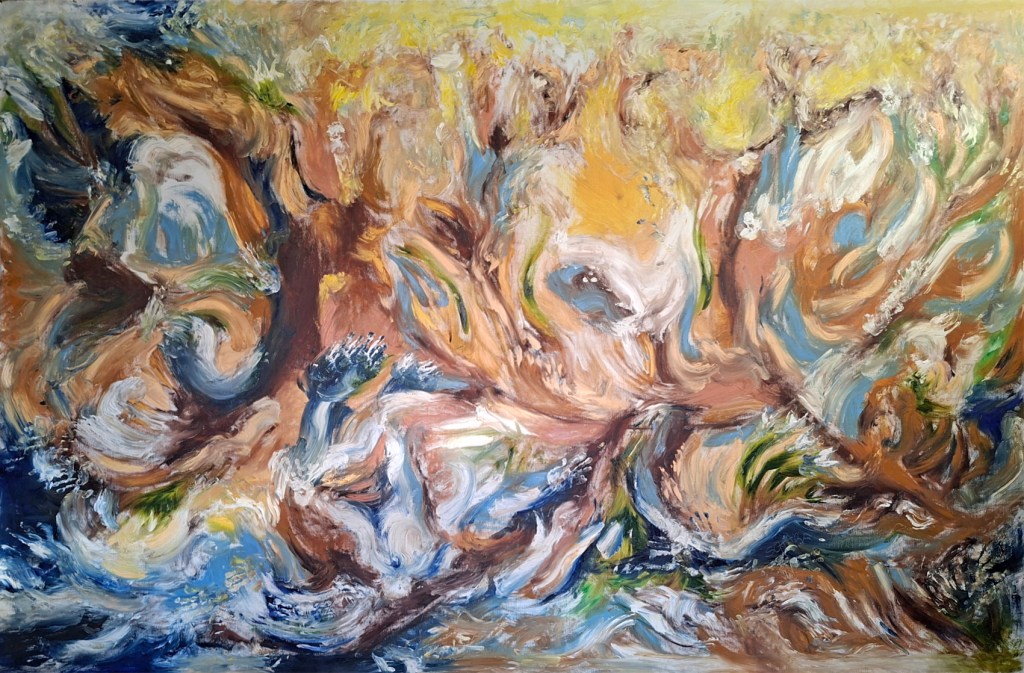
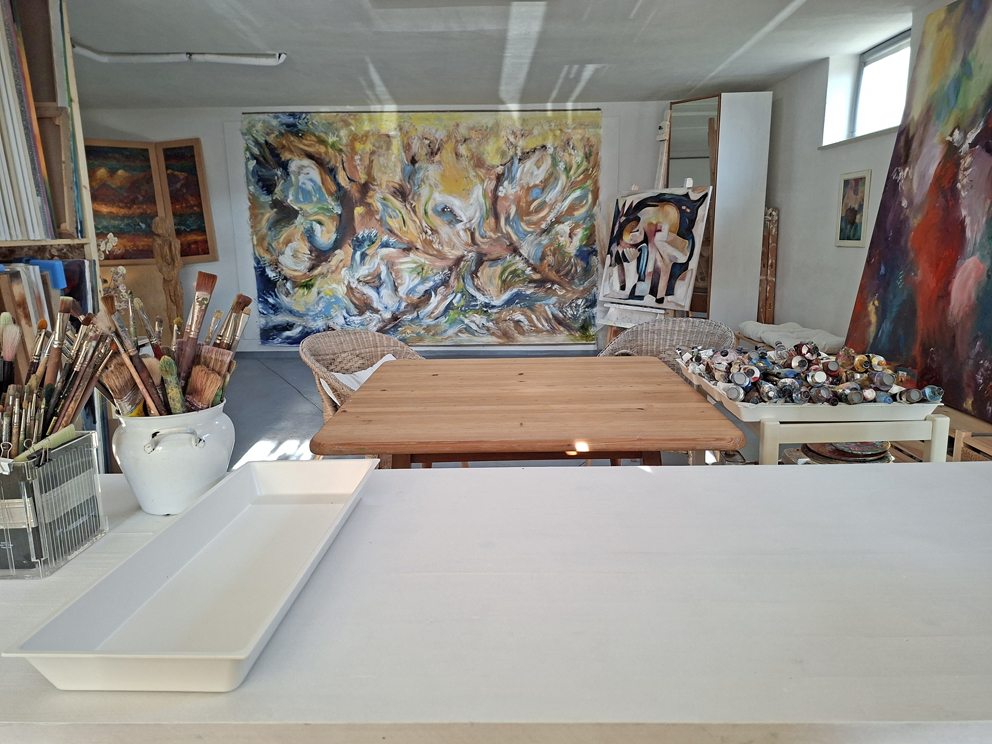
It is a play between the dissolution and emergence of figuration, offering the viewer enough space to project their own interpretation onto the work (Individual Mythologies).
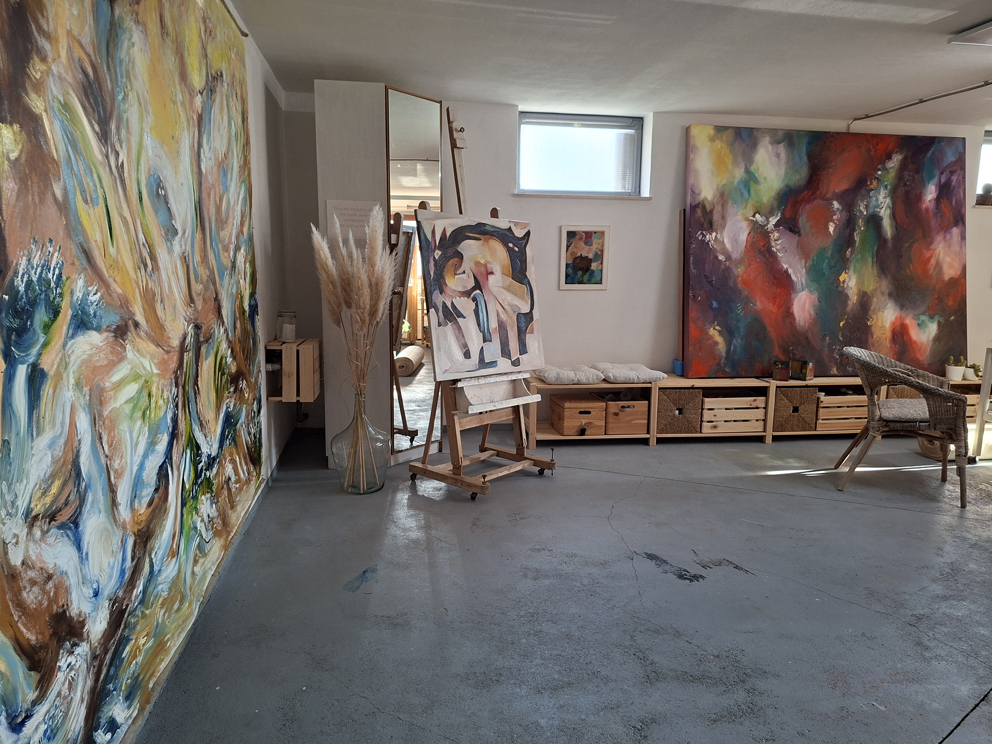

With reference to Greek mythology, the painting also addresses the process and conditions of liberation from unconscious tendencies, exemplified by the story of Orpheus and Eurydice. Orpheus was not allowed to look back at Eurydice while leading her out of Hades; if he did, she would have to remain there. This moment is represented by a figure in the right half of the painting, washed ashore with raised hands in the River Styx. Concern and fear ultimately cause the attempt at liberation to fail.
At the same time, the myth points towards a matriarchal origin. “Human existence was considered a chain of descent and ascent. Death and return beyond individual dying.” (Die tanzende Göttin, 2001) According to Heide Göttner-Abendroth, death in matriarchal societies was not conceived as an irreversible end. Hades, therefore, is not solely a world of the dead or of shadows, but a transitional space towards new birth: “becoming, existence, and passing” as forces within an eternal cycle.
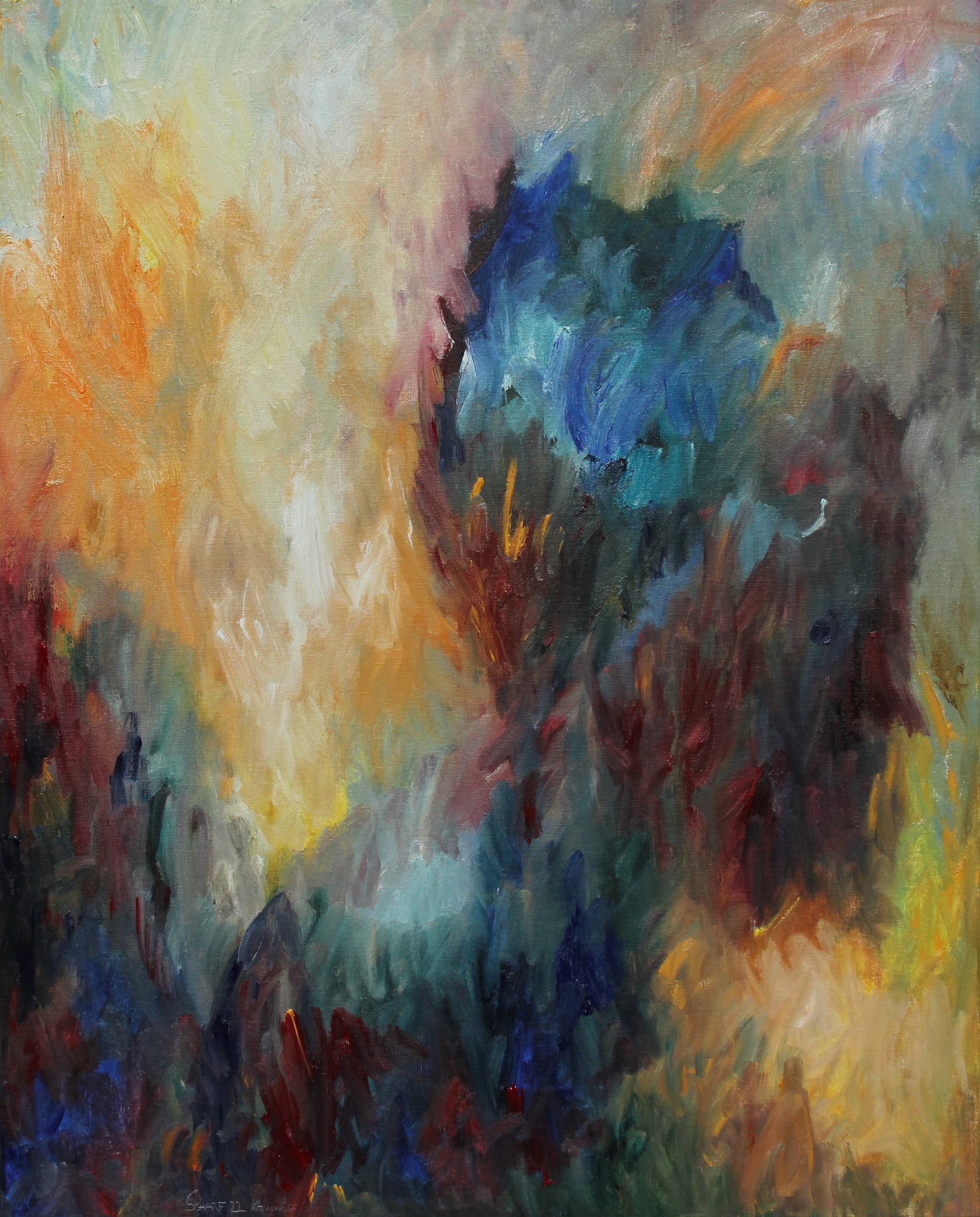
In the oil painting GOLGOTHA from the EREMITAGE series (2022), my own experience of women’s care work came to the fore. In artistic expression, it is the intensity itself that matters: the sensual, embodied momentum takes on a present form, allowing a content to emerge that transcends the subjective space of experience.
A density of colour and light developed through an expressive brushstroke, articulating an intensity that each individual experiences within the cycle of “becoming, being, and passing away.” In the context of the EREMITAGE series, this also led to an iconological reference to the Passion of Christ. Crucifixion and resurrection converge within a single pictorial representation, recalling the logic of medieval book illumination.

According to Harald Szeemann, who introduced the term “Individual Mythologies” in the context of documenta 5 in Kassel, Germany, in 1972:
“In terms of the outward appearance the Individual Mythologies are a phenomenon without a common denominator, however they can be understood as part of the idea of an art history of intensity, which isn´t oriented by formal criteria alone, but by the perceptible identity of intention and expression.” (Szeemann, 1981, p. 88)
But what exactly does this mean?
In her opening speech for my solo exhibition LICHTUNGEN at the Galerie der Moderne, Stift Seitenstetten, Austria, in 2023, art historian Angelika Doppelbauer stated the following:
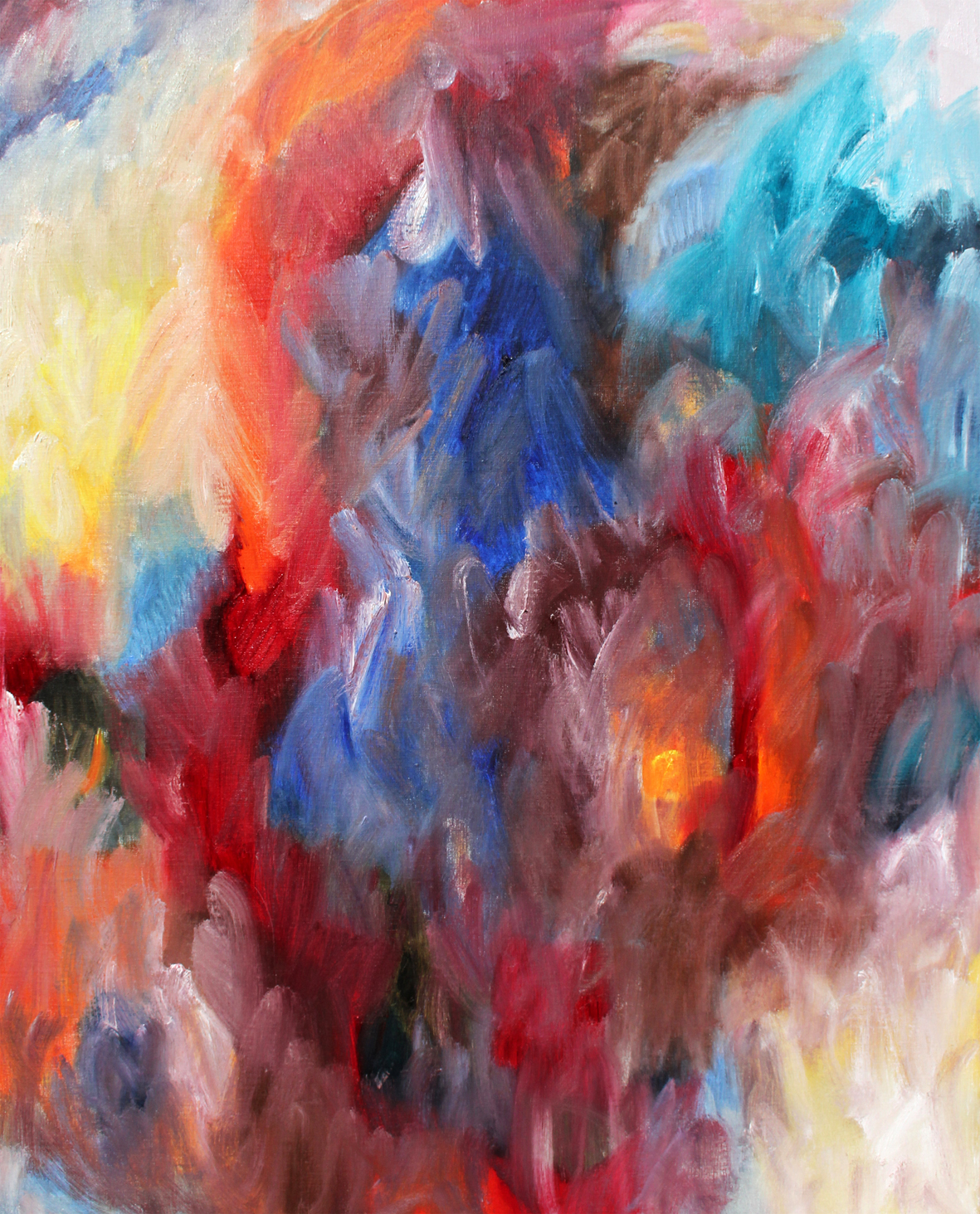
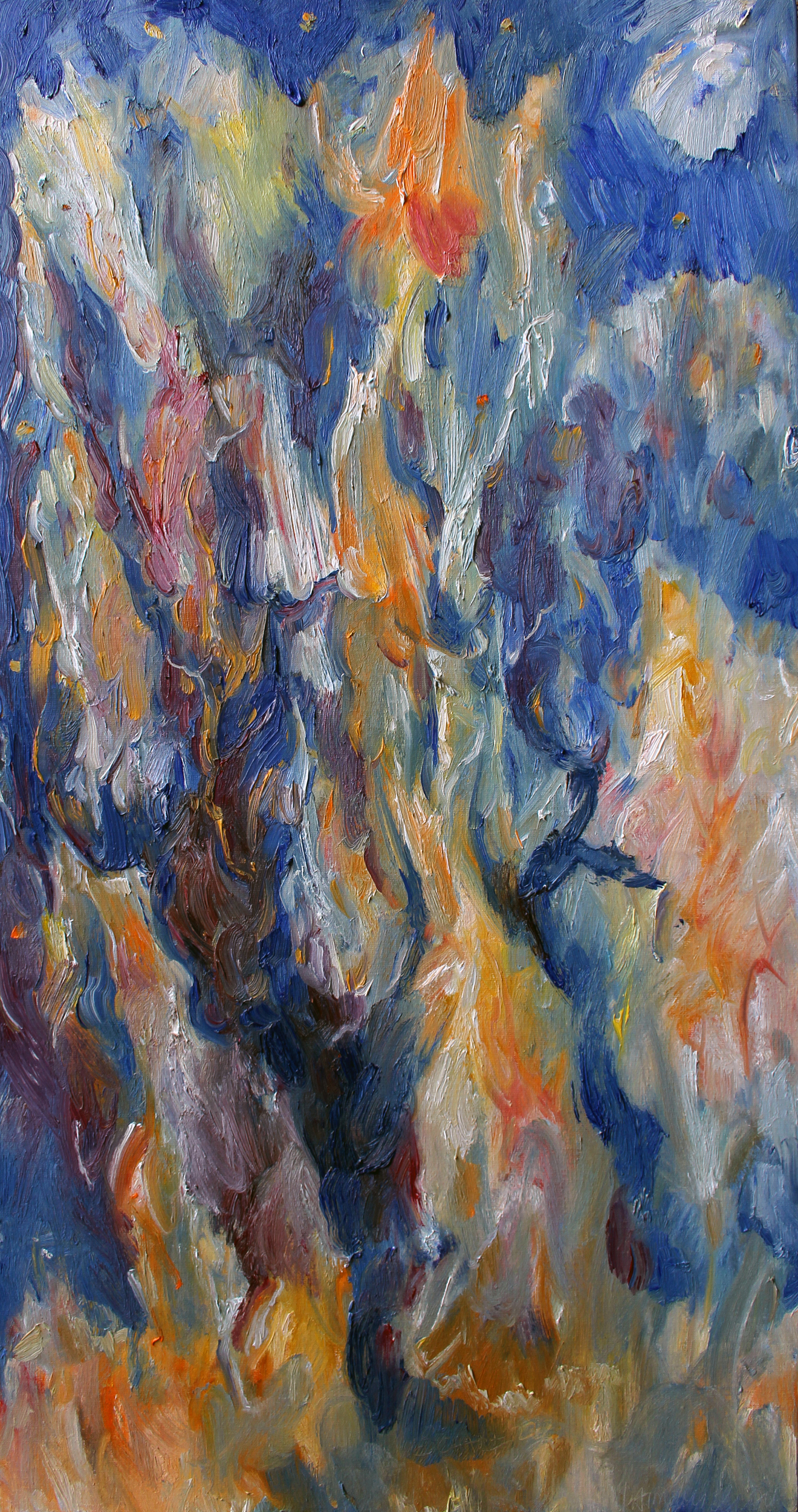
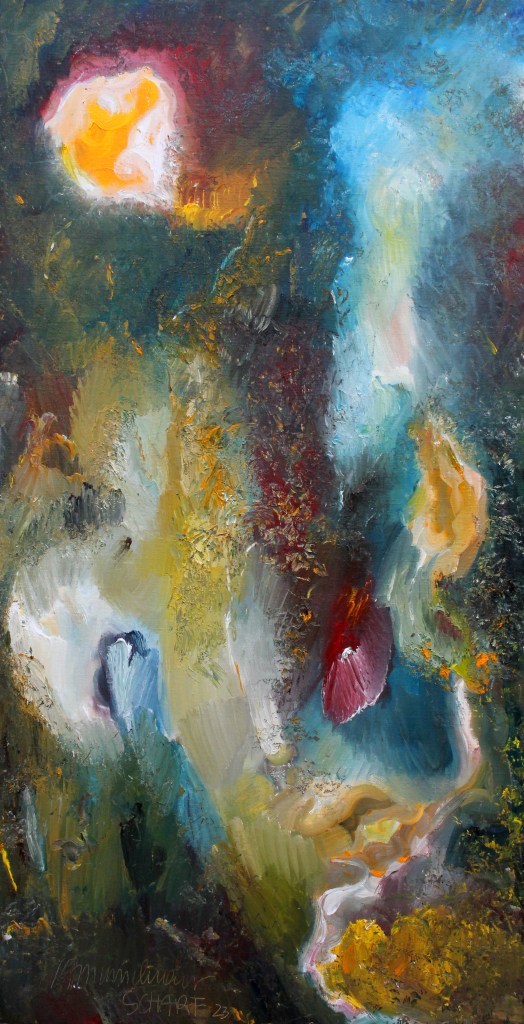
ON THE FIRST DAY (Becoming), 2023, oil on canvas, 100 × 50 cm
“Harald Szeemann understood Individual Mythologies as an intense, subjective expression of personal identity, emphasizing individually experienced aspects of the self to which he attributed a strong psychological dimension. The representation of Individual Mythologies aims to give visual form to unconscious notions of personal mysticism, personal rites, and dream imagery. This results in a highly personal form of expression, consisting of individual signs and symbols that often appear mysterious to outsiders.”
“At the time the concept of Individual Mythologies emerged, it provided a counterpoint to rational and conceptual approaches to art. In retrospect, the individualization of the worldview can be understood as a step towards the dissolution of grand narratives and towards a pluralistic perspective on reality, composed of many different subjective viewpoints. Every person has individual mythologies. They develop over the course of one’s life and form part of one’s subjective knowledge of the world. How one perceives and understands the world shapes memories and the contents of the mind and, consequently, one’s entire life. This internal orientation is often unconscious, yet significantly influences actions and experiences. It is individual and usually not shared with others. In the artistic process, these individual contents come to light and become visualized.”
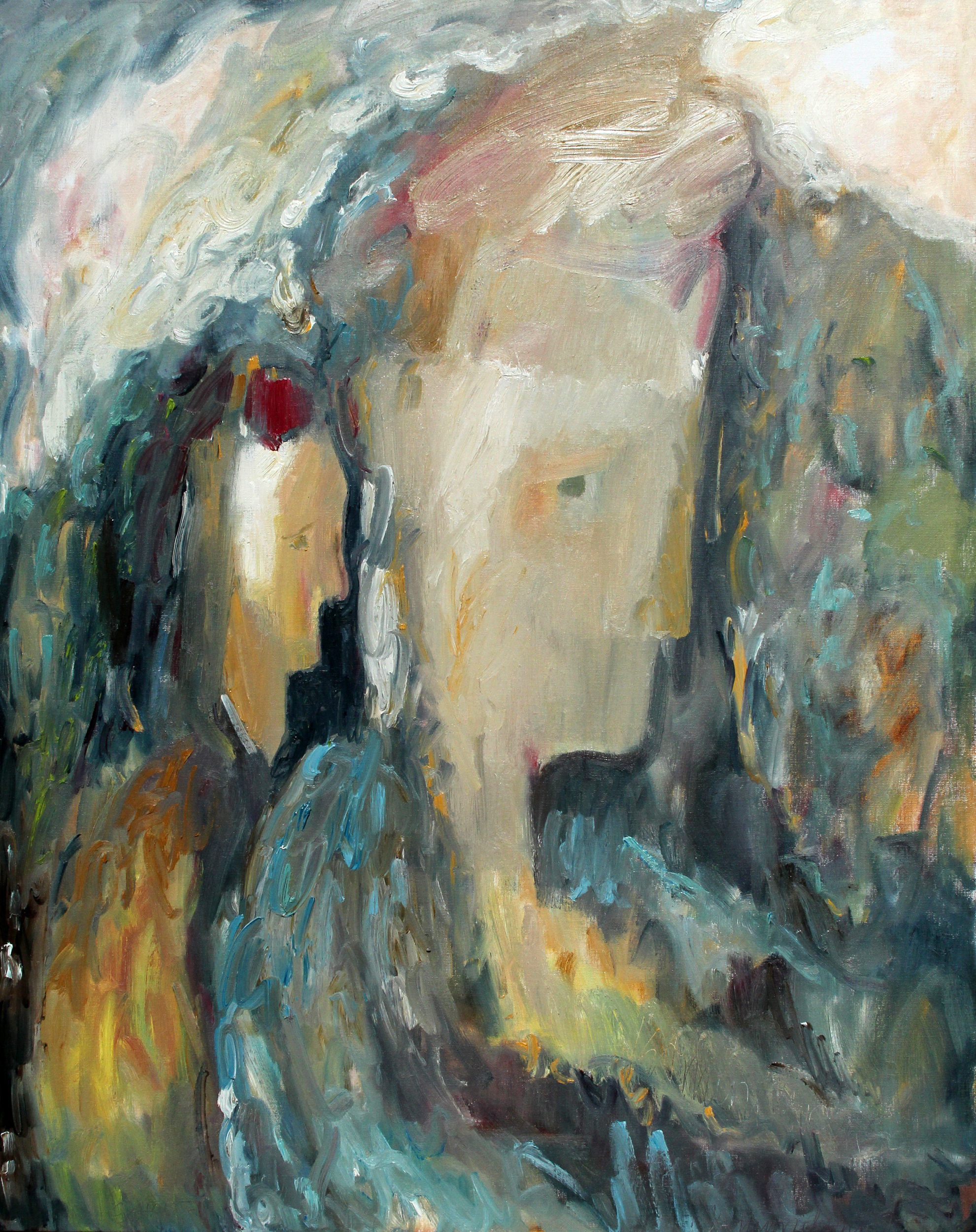
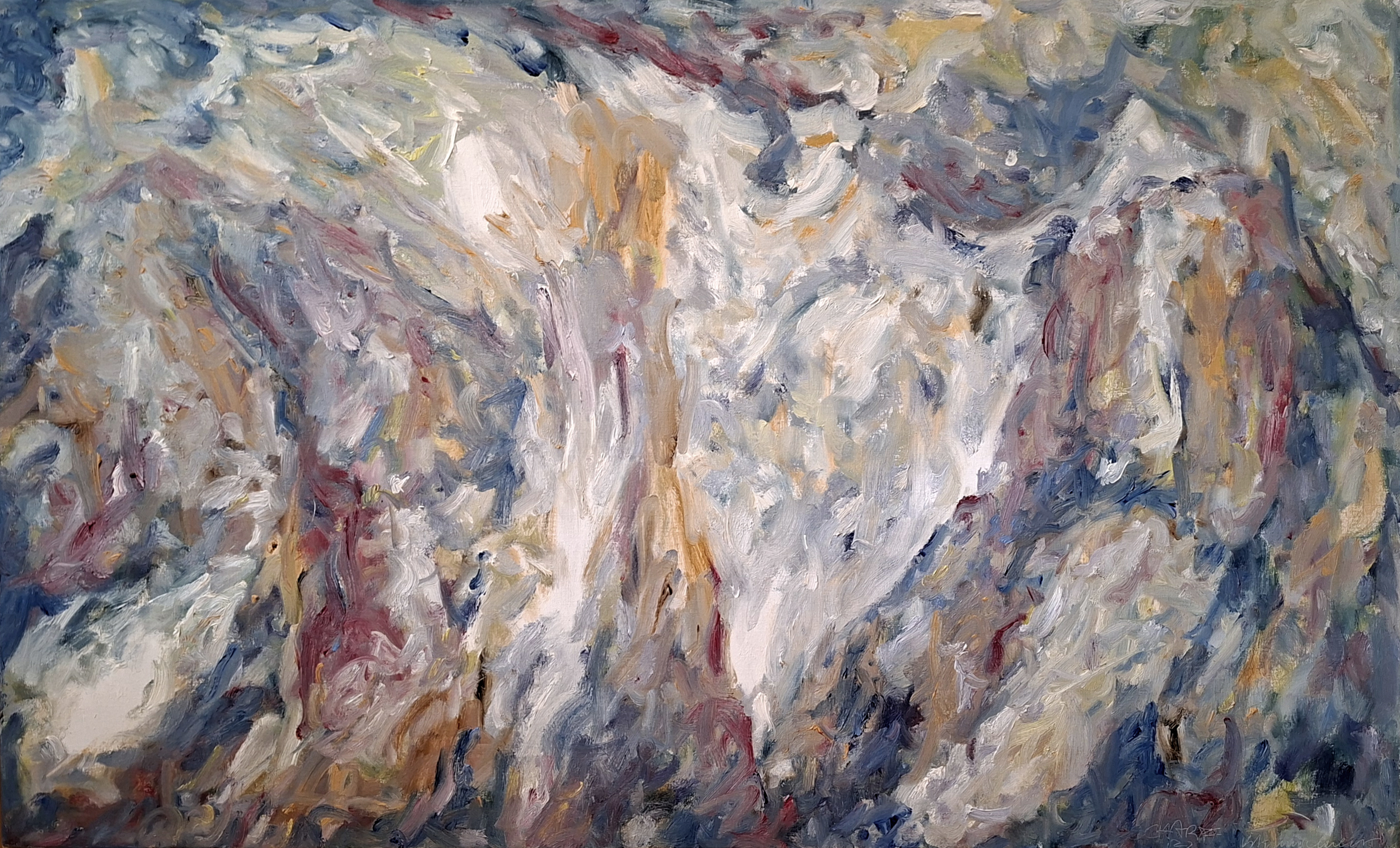
POWER OF DECISION (Being) 2023, Oil on Canvas, 100 x 50 cm
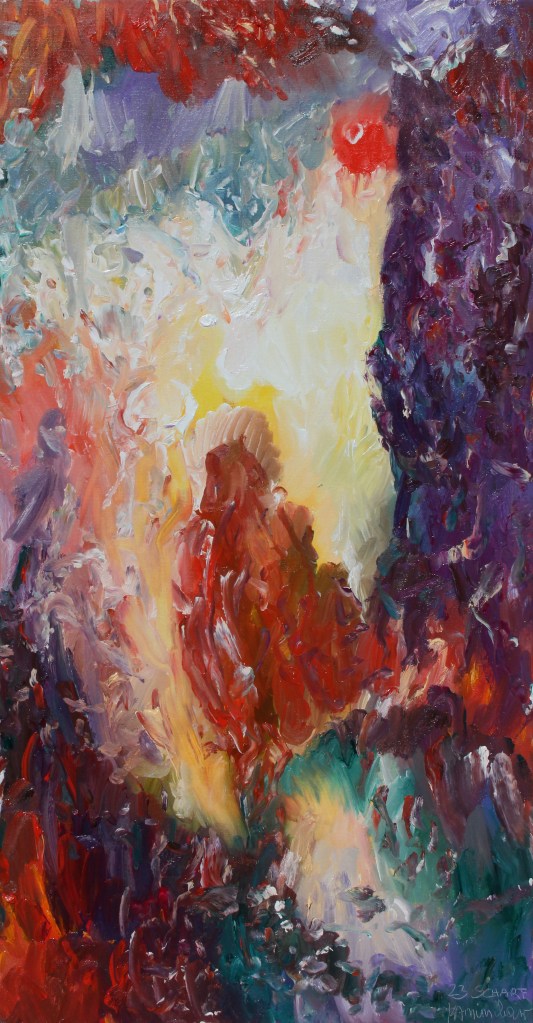
TABLEAU III – What You Don’t See Coming – TEXTURE AND INDIVIDUAL MYTHOLOGIES, Ongoing
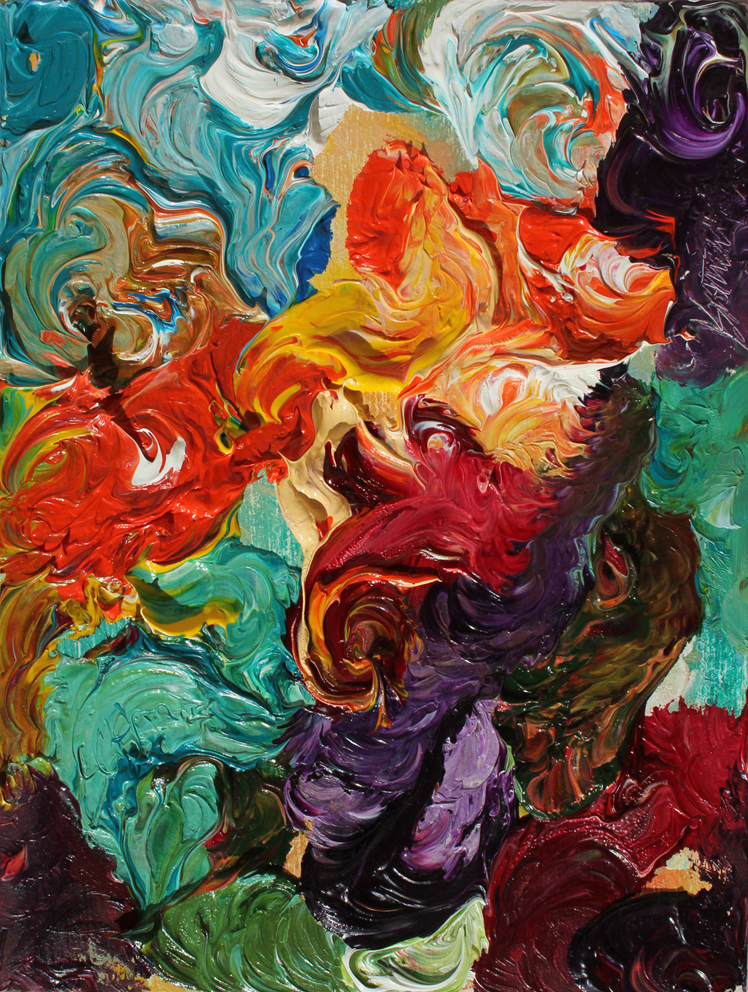
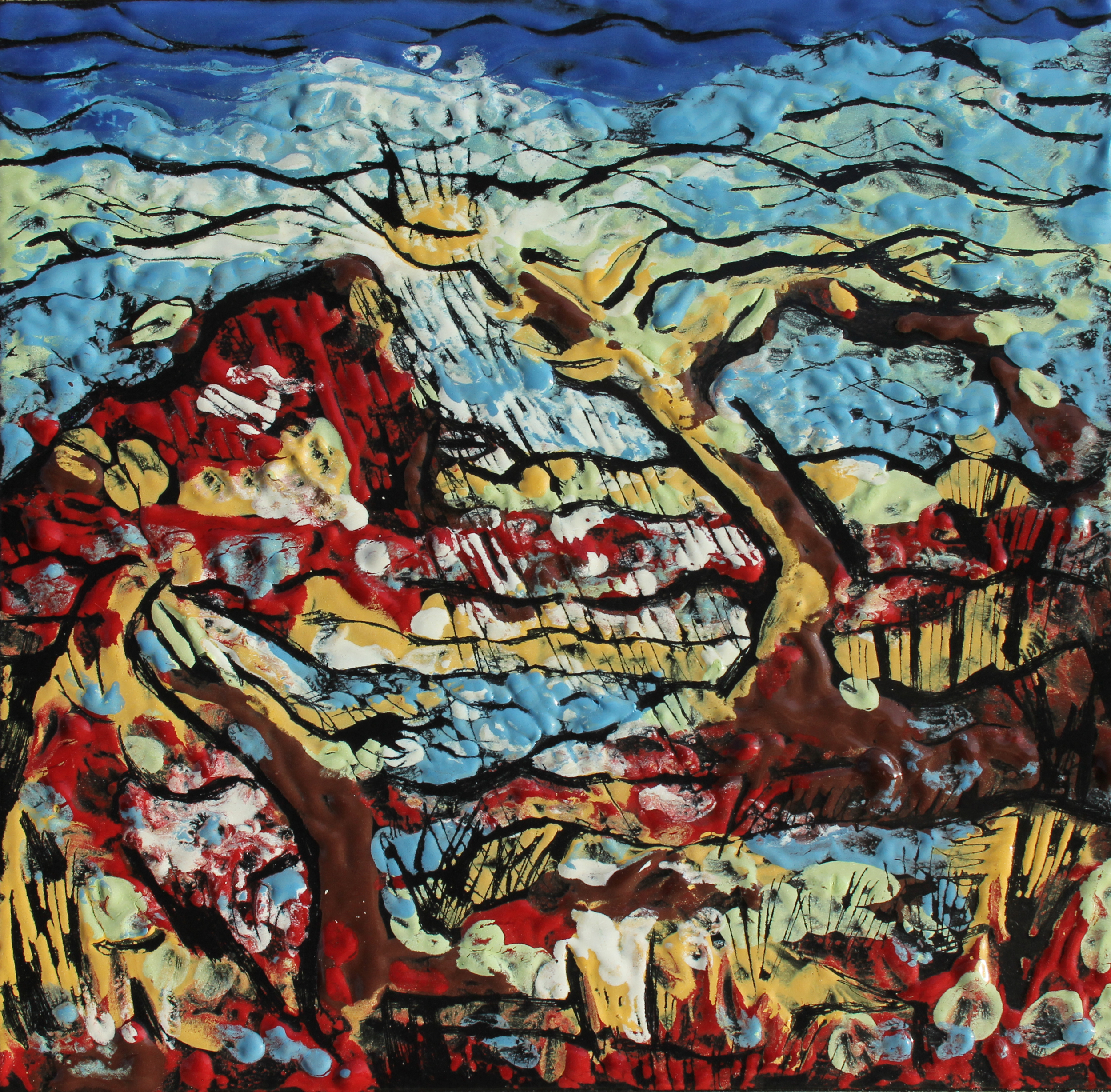
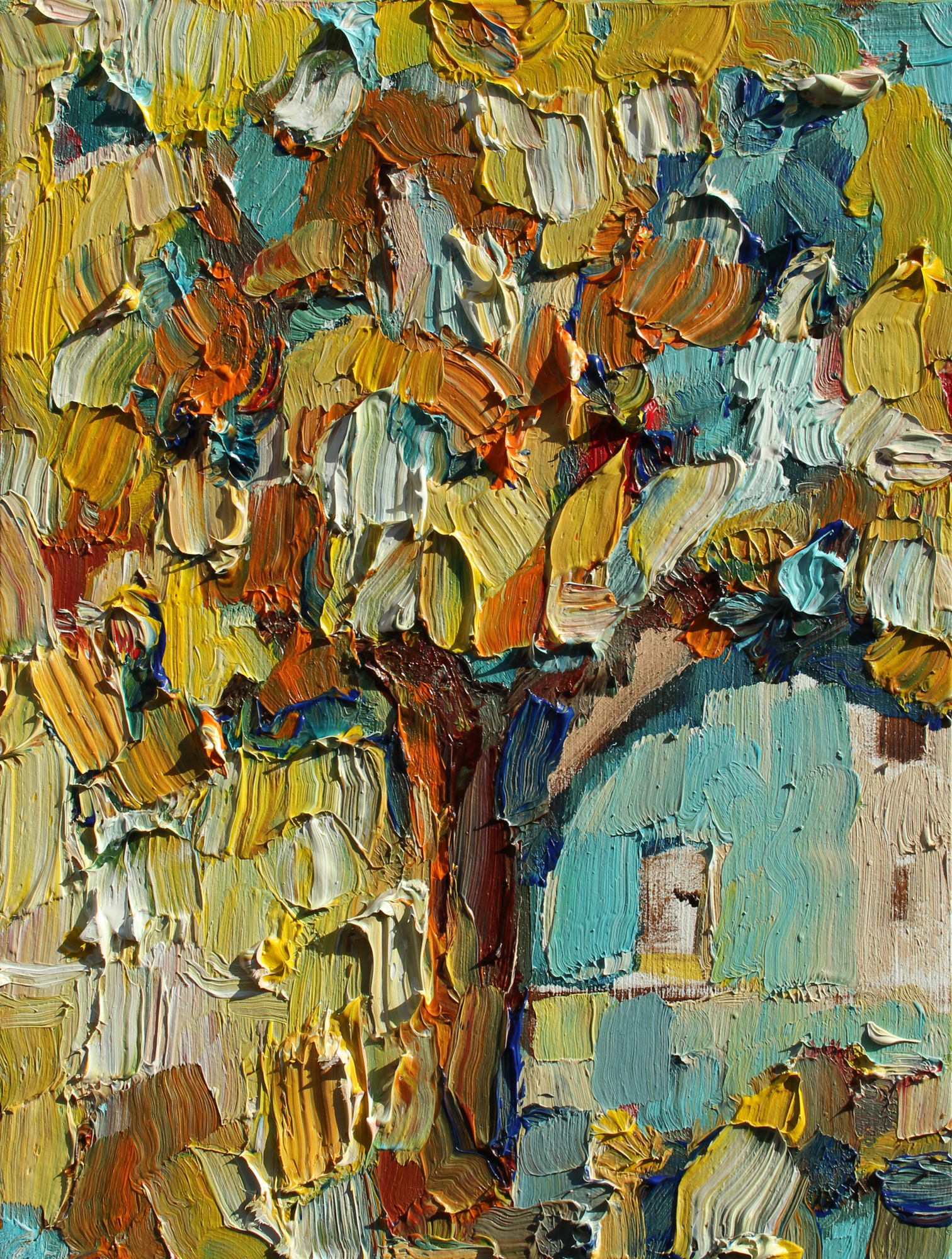
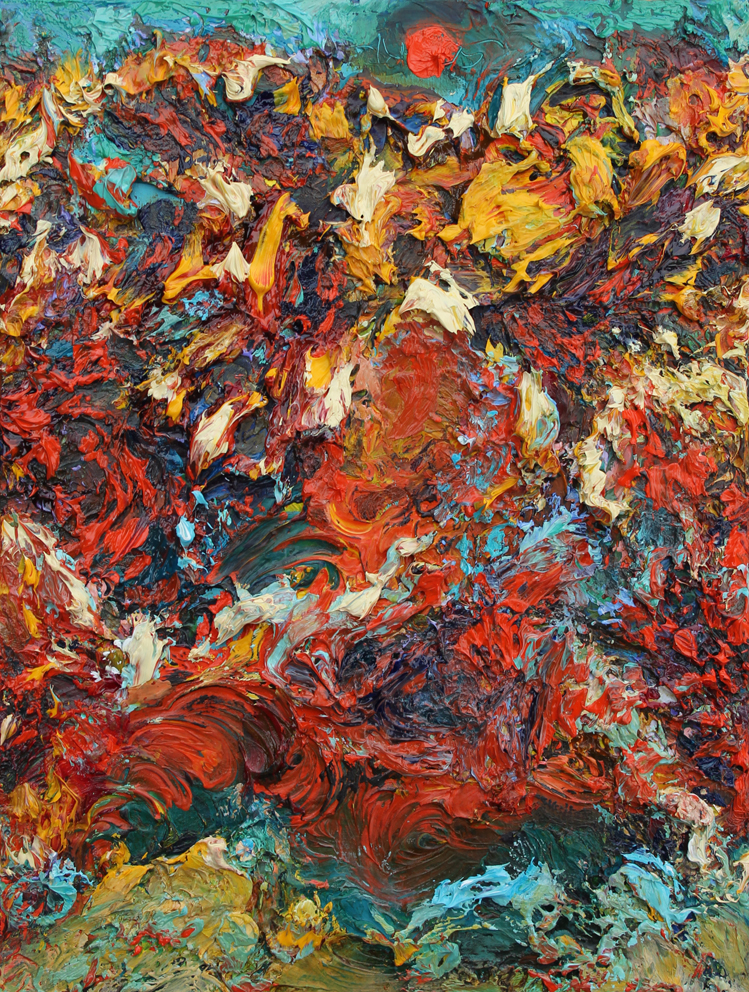

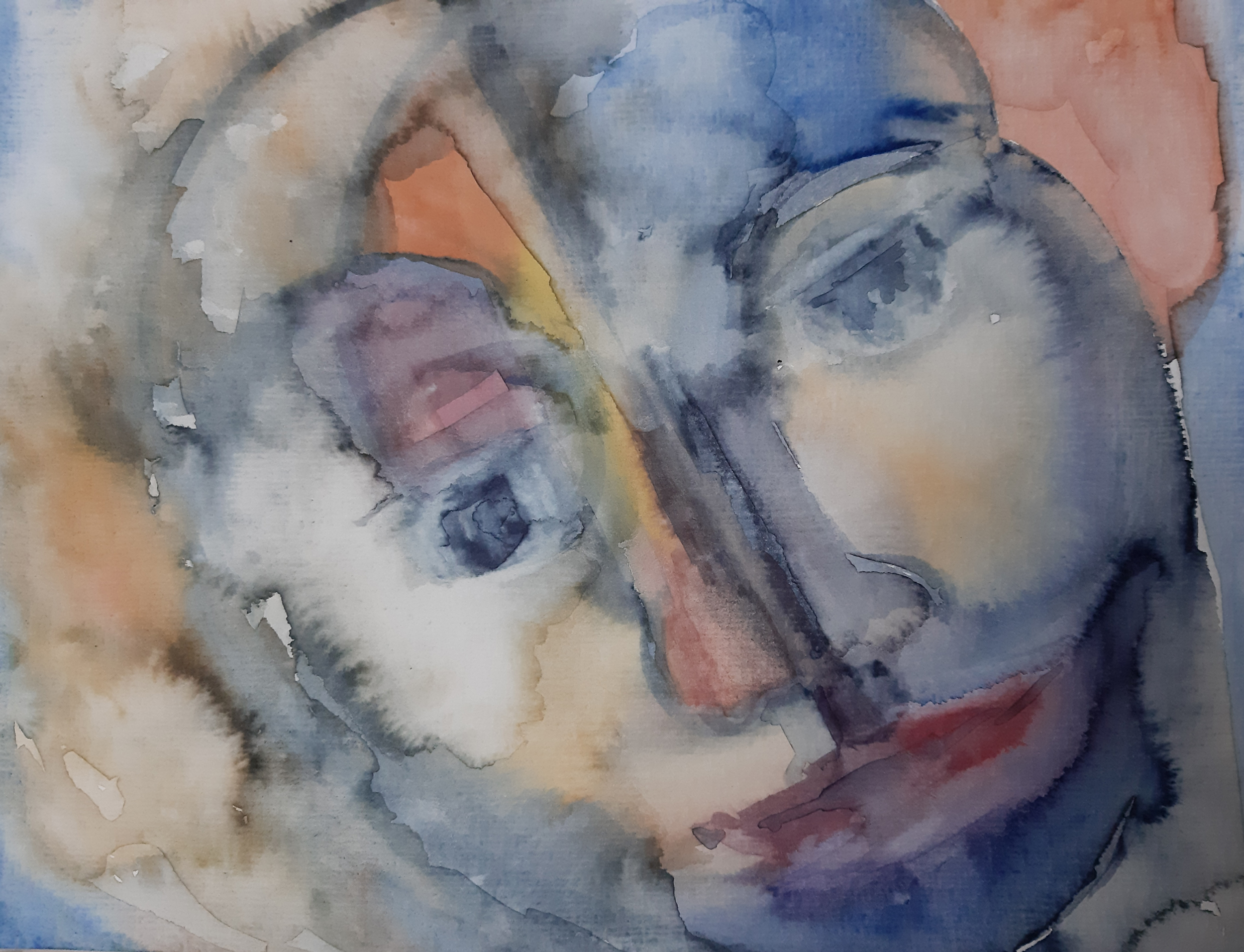
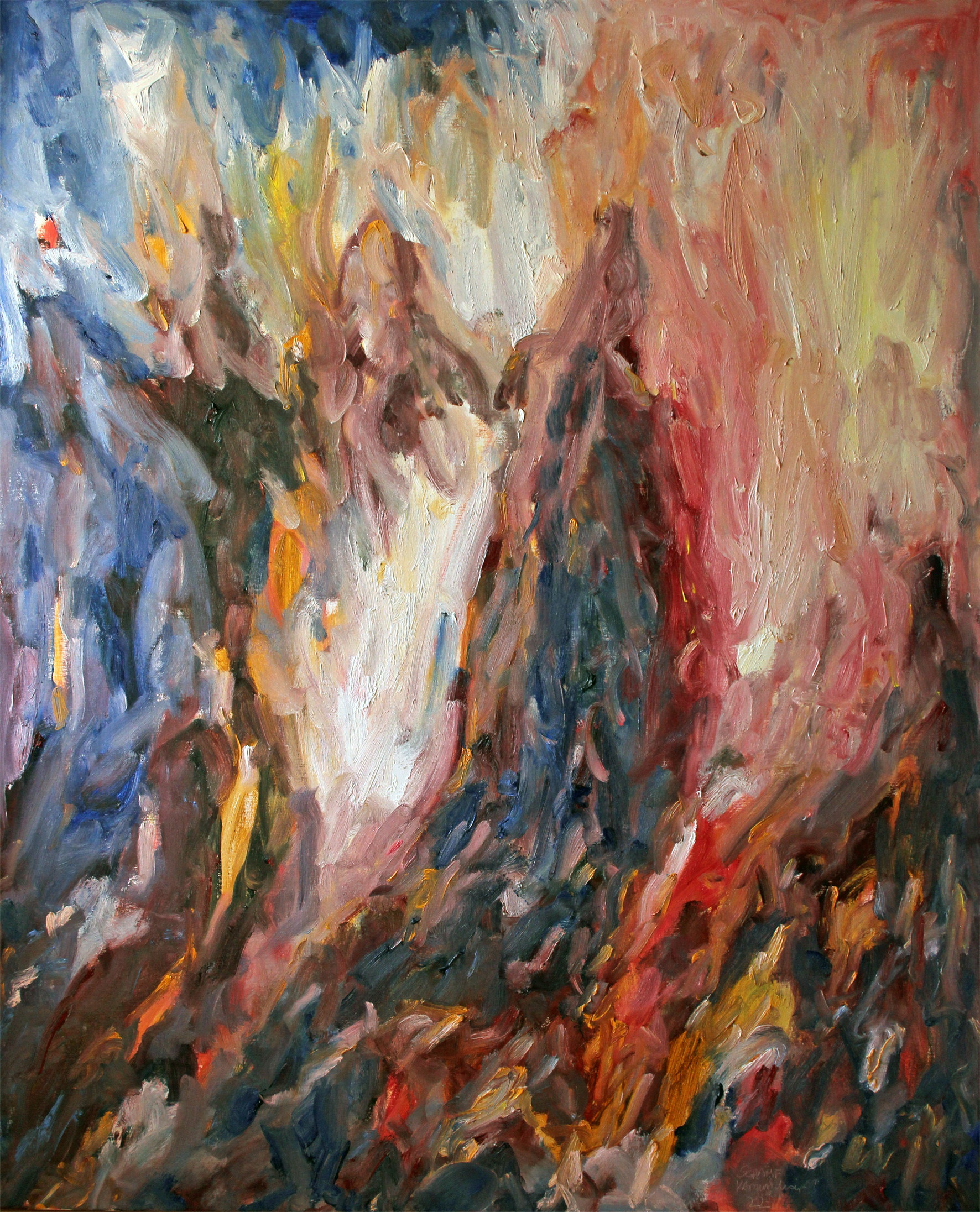
In the painting GARDEN OF GETHSEMANE II, I describe a moment of extreme emotional charge and the necessary counterforce that accompanies it. Both form part of an individual archetypal journey, as described in the work of C. G. Jung, and recur across the fairy tales, myths, and spiritual narratives of different cultures.
A dense, enveloping, gestural brushstroke occupies the left side of the painting. It can also be read as a human figure. It is contrasted by the right half of the image, rendered in delicate, translucent pastel tones. The two sides hold opposing intensities in suspension: an excess of emotional density alongside a fragile, almost weightless state of emergence.
GARDEN GETHSEMANE II (Passing away) 2023, Oil on Canvas, 80 x 60 cm
“The garden serves here as a metaphor for Christ’s solitude in the face of his impending Passion. The running streaks of colour suggest tears and perhaps even foreshadow the blood that will soon flow. The contrast between opaque and translucent brushwork corresponds to the physical body and its relation to the transcendent,” describes art historian Angelika Doppelbauer.
They are two sides of the same coin, entering into a necessary conflict within both grand narratives and the everyday stories of the individual. It is within these zones of tension that growth and transformation become possible; this is where the archetypal journey or Joseph Campbells “hero’s journey” begins.
TABLEAU II – The Stories They’ve Told – GESTURAL PAINTING AND INDIVIDUAL MYTHOLOGIES, 2022 – 2025