
PORTFOLIO THE EREMITAGE
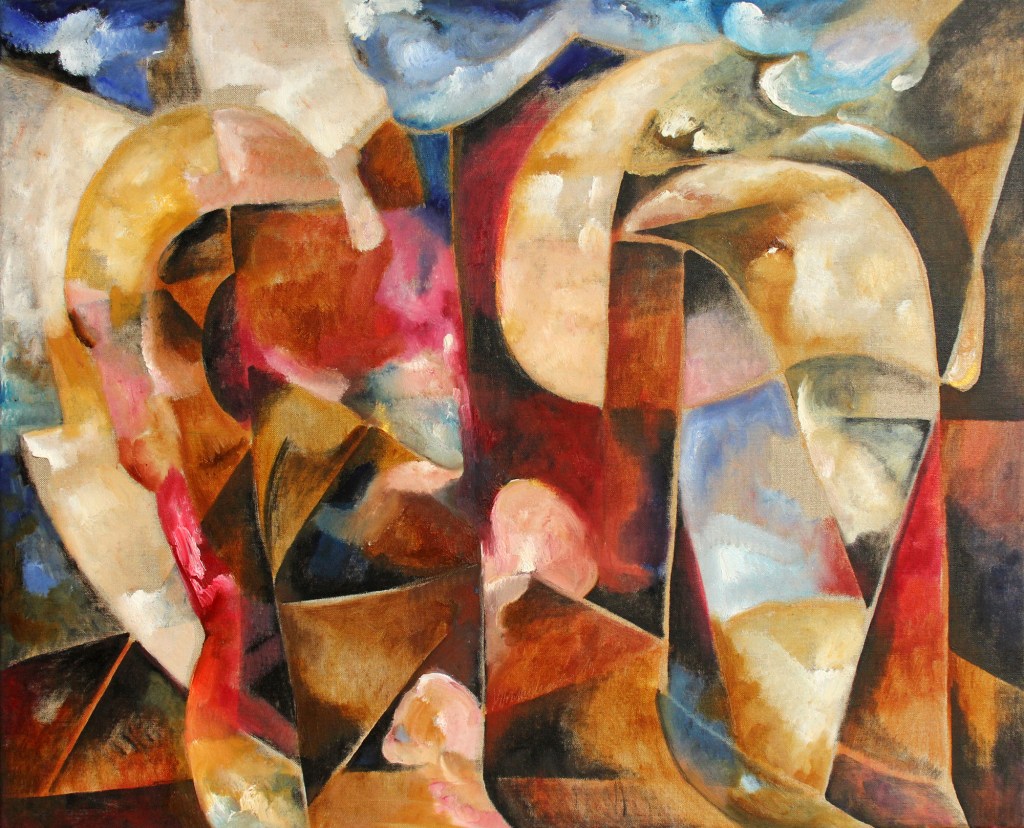
My painting essentially tells of pausing (stillness for contemplation), the EREMITAGE (hermitage) as a place of longing for the postmodern individual. A place, that in its literal sense, is hardly livable for an individual embedded in a hyper-pulsating world. It lives stronger as an inner place. It thrives as an individual experiential space, provided it is not rationalized away. This form of EREMITAGE does not imply a withdrawal from self- and world-experience. Instead, it involves a devotion to the unpredictable in the current moment. What is interrupted in the act of pausing is the person who voluntarily objectifies themselves through an activity focused on utility and function.

Instead a subjective, sensual, body-related impulse comes into focus. In this process, the EREMITAGE expresses trust in the artistic momentum. During the painting process, the thought is retracted. This continues until the painting’s title takes shape. Only over time a personal summary about the correspondence of what is depicted and the title become possible. This résumé, however, stands for only one of many possible interpretations. For everyone projects their own experience and Individual Mythologies. Thus, in the EREMITAGE, both sociopolitical themes and individual everyday stories as well as mythological content or spiritual context can be recognized. They all come together in this single moment of expression in a “third space of in between” (thirding).
This space in between, the artistic momentum itself has an almost ritual character. In this sense, art creation is also associated with the feminine or matriarchal aesthetics. The artistic momentum builds up over hours, days, and weeks. The artist and curator Renate Moran describes this process in her opening speech “The Tower” for the exhibition “LICHTUNGEN I” as follows:
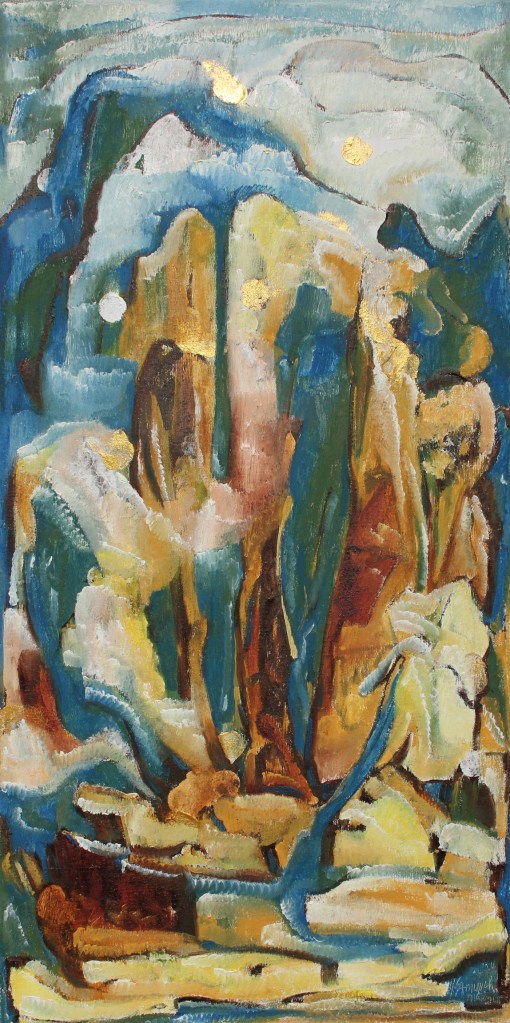
“When she finds her way back to the center of the tower, she paints, writes, and is completely free. Here she gathers the roots and the light from above, allowing shadows to emerge. The fascinating shadows. There are imagined pots with translucent color nuances. There are also palettes with stones and other ancient relics. Ink in a Chinese box, for example. Here, there is the quiet spring, the loud summer, the colorful autumn, or the bright winter. Isabella begins to work right in the middle. One myth after another hangs in the air. The artist Isabella Scharf-Minichmair must organize herself, weigh things, discard, and confront herself. She draws on unlimited resources and wipes away – allows darkness to exist – only to lay the light over it in the next moment. She ascends to the heights of the tower, sees her many layers, sees the traces she left behind – and continues to find.”
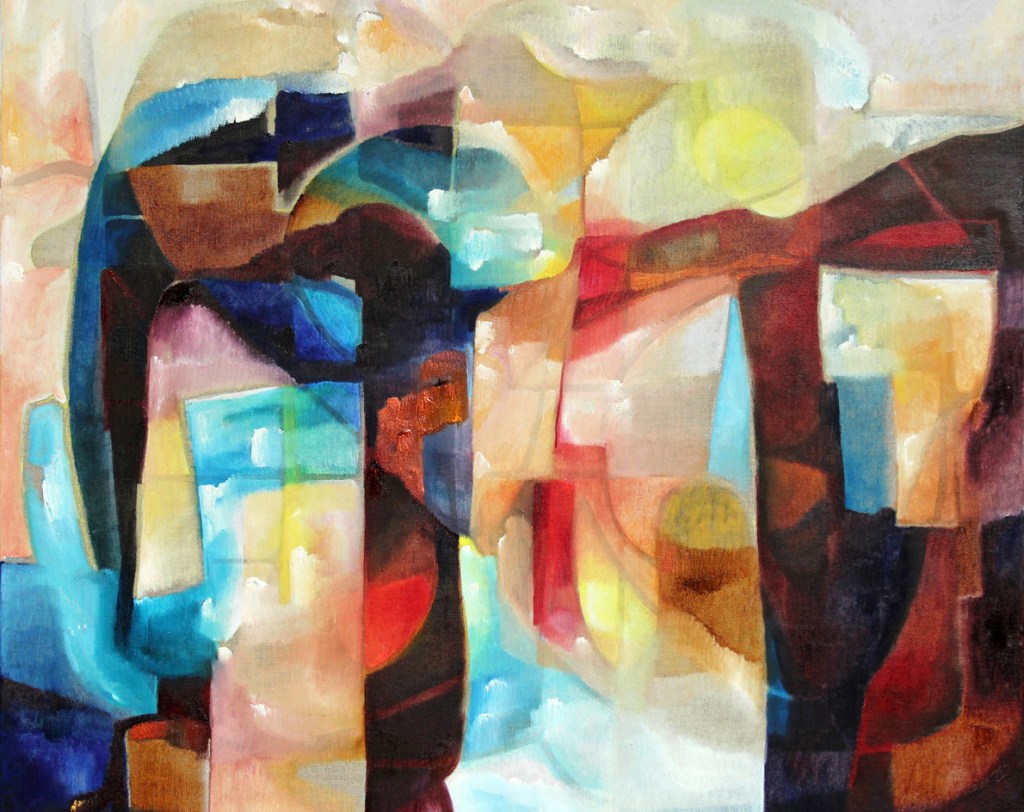
However, the dedication to the artistic momentum requires preparation. There are strict, recurring tasks that must be dealt with and are often interrupted by daily challenges and human encounters. This preparation is often invisible to outsiders. It begins in the early morning hours. Writing, reading, researching, preferably in bed. Physical movement, mostly in or with water, is equally valid as sitting still. The construction, observation, and destruction of existing works are just as significant as material samples and testing different techniques. All these relatively strictly organized processes culminate in the moment when the canvas is stretched. A symbolic gesture for the physical tension that has built up or has been created. It is a play. It is a dance between the rational and irrational aspects. This play reaches a point of inner balance (stillness for contemplation). It does so in the act of maximum physical expression in front of the canvas. My painting essentially tells of pausing, what is found is unpredictable.

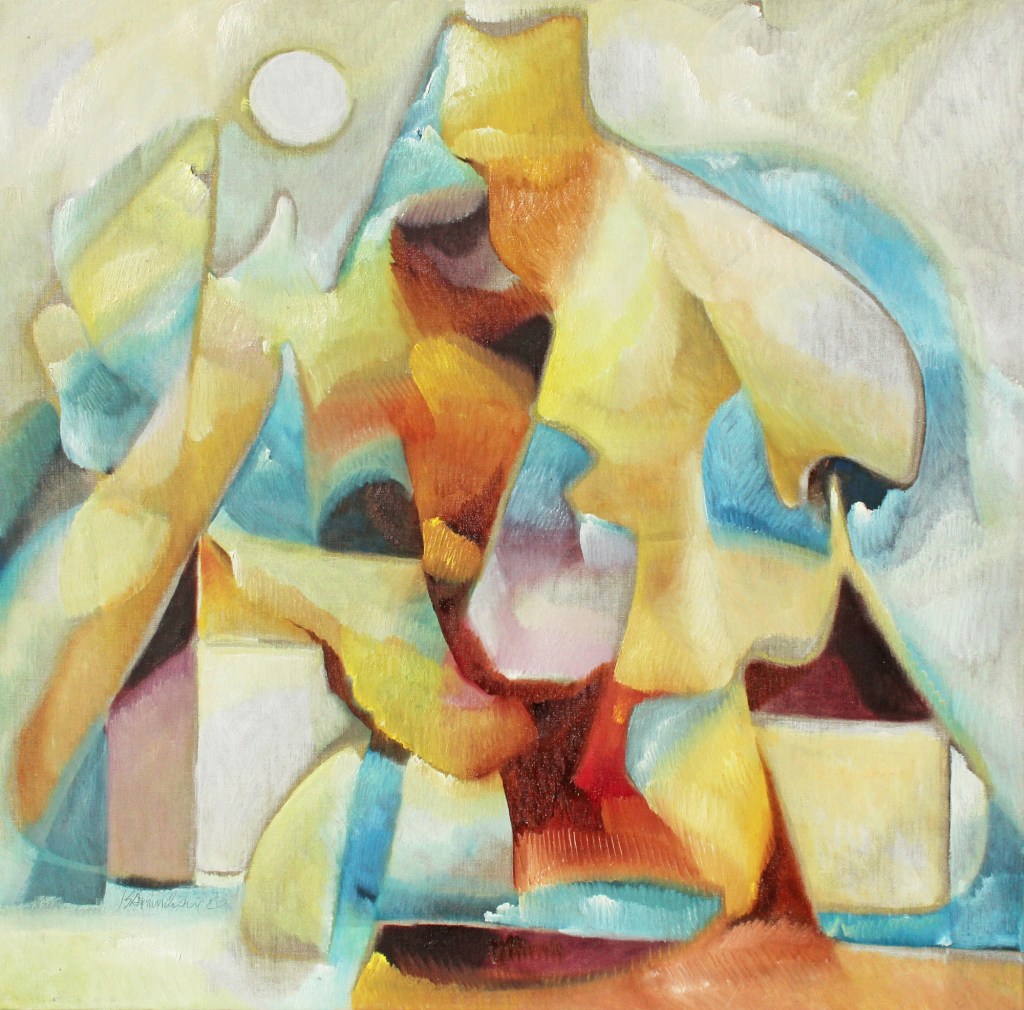
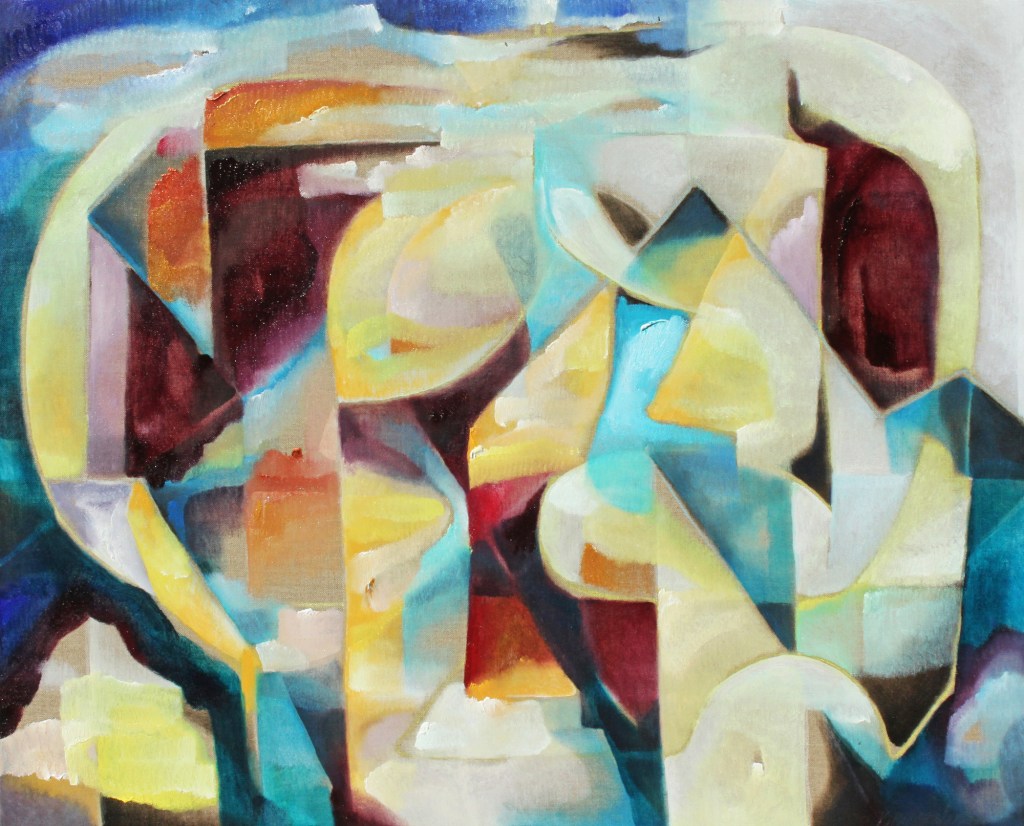
 FARBEBEKENNEN